
Trust in Money, Digital or Physical

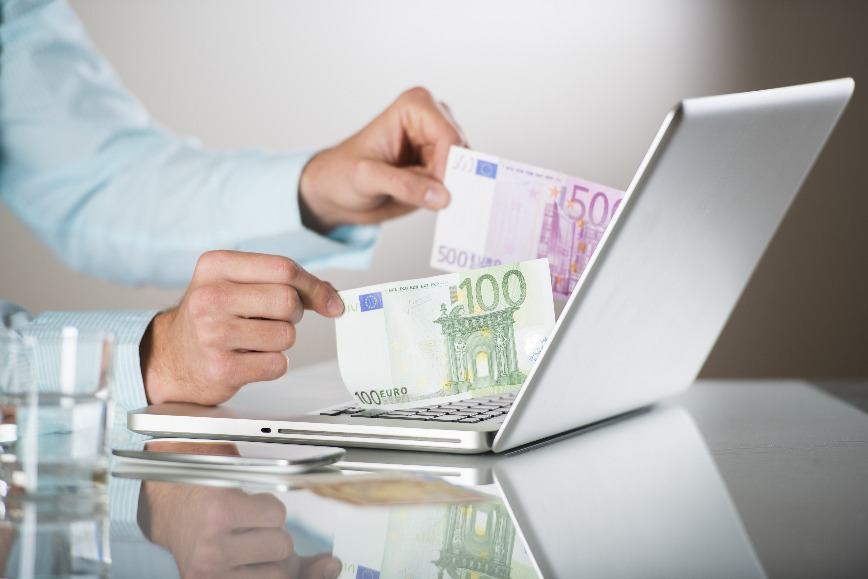
Prof Dr Julia Pitter spoke at the recent Bundesbank cash symposium about the relationship between people and cash. According to Dr Pitter, a business psychologist at the Internationale Hochschule in Vienna, cash is more than just a payment.
In addition to the known arguments about why cash is important, there is also a contribution from neuroscience. It appears that cash increases the reward system in our brain. She called it 'Geldreiz' – Cash stimulus. Only cash can activate it, no other payment method can bring such stimulus in our brain. Making a cash payment causes more pain than other payment methods and, therefore, cash helps to control spending. In the US, where credit cards are more widely used, the level of debt is also much higher than in Germany.
Until the age of about 12, children have difficulty dealing with abstract payment means. Today financial education for children is based on the concept and use of cash rather than starting with other payment methods. Bitcoin did not choose the image of a gold coin by chance.
When comparing the German and the Swedish behaviour towards cash, Dr Pitter referred to the World Value Survey to explain why these two nations treat cash so differently. Swedish society prefers to be more progressive and is less scared about transparency than Germany. Germans prefer tradition and privacy. According to a Bundesbank study 59% of Germans think data privacy is more important than the risk of theft.
In addition, Dr Pitter mentioned an indirect social psychological aspect. It seems that a contactless payment is three times faster than the payment with cash. However, the shorter the payment time, the less interpersonal interaction, such as small talk, takes place with the cashier. This could have an impact on society.
21% of Germans started to pay cashless during the pandemic for the first time and it is not clear yet whether they will continue this behaviour after the pandemic, the Bundesbank is preparing a study on this. From a psychological point of view, the more you see of something, the more you are likely to like it.
She also observed another group of people who insist on paying with cash, especially at those places where cashless is preferred. This rather defiant group do not want to follow rules particularly at a time when they have already suffered so much. Dr Pitter made an observation that the middle ground is less popular as a result of the pandemic. Cash advocates believe in it even more strongly. Cash ‘rejectors’ are keen on non-cash payment methods.
Dr Pitter’s conclusion was that as long as other payment methods cannot bring the same benefit as cash (security, convenience, accessibility), we should not change a system that works. Cash should stay.
Subscriber content
Read the full article
Full access to Cash & Payment News articles, newsletters and archives.