
The Truth Behind the Cashless Headlines

David Hensley of Enryo, an independent consultancy in the financial services sector, is publishing a series of articles on access to cash in the UK. A recent post highlighted how misleading the constant stream of headlines about a cashless society is. So often the statements are based on personal experience, the narrow interest of a sector or organisation or comparing ATM cash withdrawal levels with the number of digital transactions. Going cashless makes for wonderfully shocking, attention-grabbing headlines.
Cash withdrawals from ATMs may fall, but cash is accessed from other sources such as banks, post offices and shops. While each digital transaction is a one off event, each coin or banknote is highly likely to be used in a number of transactions before returning to be counted somewhere in the cash system.
Equally, just measuring the number of withdrawals or the number of digital transactions gives no insight into consumer behaviour. In the absence of meaningful, comparable data, surveys play an important part.
Enryo have conducted standardised quarterly YouGov surveys from early 2020 to understand consumer behaviour. They segment the market into three groups of cash users - those who pay everyday or more than once a week using cash (frequent users), people who pay once a week or once every two weeks using cash (regular users) and the rare users who use cash once a month, less than once a month or never.
The data for 2020 and 2021 tells an interesting story. Frequent users increased by 20%, regular users 4% and rare users fell 4%.
Drilling down into the segments used, the number of people who use cash every single day has risen from 2.8 to 3.3 million, those who never use cash have fallen from 3.6 to 3.3 million.
All very positive, particularly when the 2019 figures are not shown. And it does show both a real recovery and, more importantly, that cash remains a huge part of everyday life for a major proportion of the population.
The survey also reveals that cash usage is becoming increasingly concentrated. It is the older people and those financially and/ or digitally excluded who are the big users of cash. This highlights the societal issue that politicians and those responsible for payments need to consider.
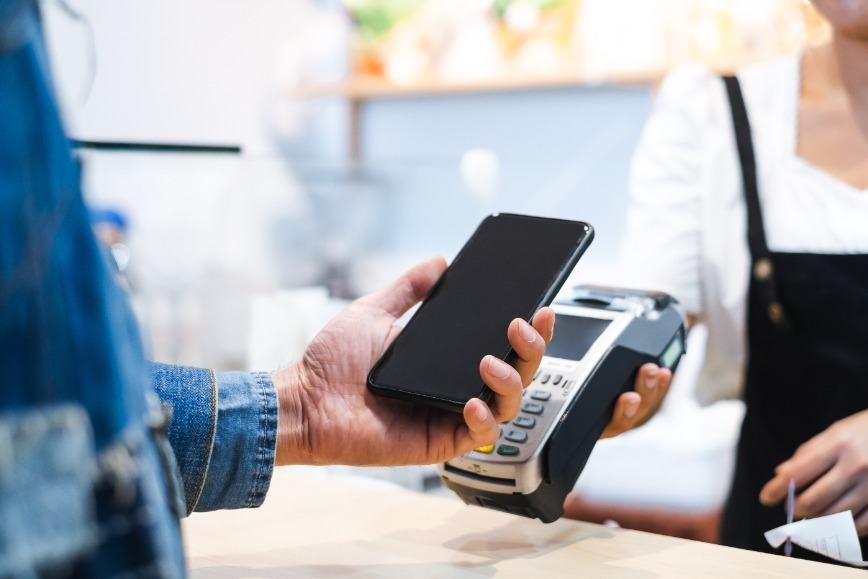
Mobile payment use has increased 55% from 3.1 to 4.8 million people but 30 million Britons have still not used it. That figure was 34 million in 2020. Strange how all the talk is of mobile payments affecting 4.8 million people rather than about cash with its 14.4 million regular users.
Subscriber content
Read the full article
Full access to Cash & Payment News articles, newsletters and archives.