
Payments News

Digital Impact Low in Pakistan
It is perhaps not surprising that mobile money wallet registrations increased to 19% in 2022 compared with 9% in 2020 given that only 19% of adults have a registered bank account. It appears that having a bank account is not seen as necessary since the Karandaaz Financial Inclusion Survey 2022 (K-FIS), a nationally and provincially representative survey tracking financial inclusion, heard that 68% of those without one ticked the box, ‘do not need one and have never thought of using one’.
Reasons for not using mobile money, despite 63% being aware of at least one mobile money service, were a lack of need, 53%, being unaware, 42%, and not having enough money to make mobile money transaction, 43%.
The survey also found that financial literacy stands at just 19% and the ability to send and receive a text message was 34%.
US Digital Wallet Acceptance Falls
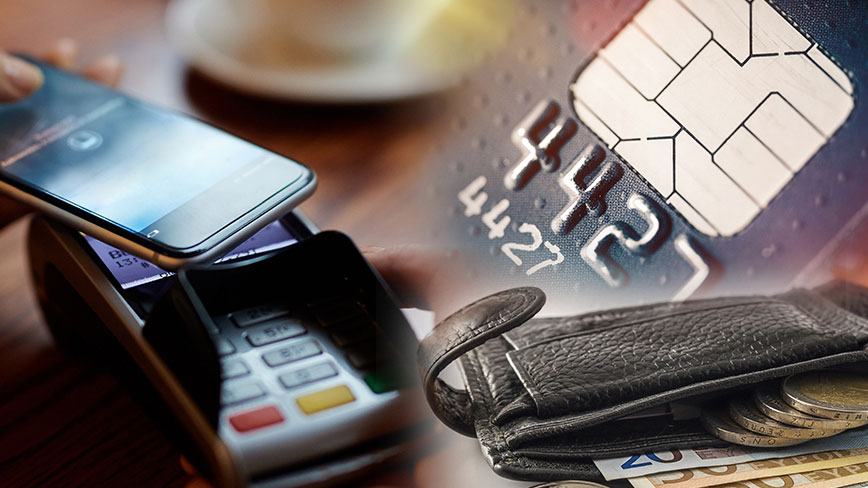
Something strange is happening in the US. According to PYMNTS research, fewer US restaurants are accepting digital wallets as a form of payment. Between September 2021 and April 2022, the number fell from 81% to 73%. At the same time consumer confidence in wallets has been rising.
Research by ACI Worldwide and PYMNTS found those agreeing with statement that using a mobile wallet is safer than a physical wallet was 27.4% overall, while 30.4% thought them just as safe and 42.2% less safe. While 57.3% of baby boomers (and older) thought them less safe, 24.6% of Generation Z thought this. The research did not say whether a physical wallet was cards and cash or just cash.
16% of consumers continue to pay using cash in restaurants. More generally, cash remains the most-used payment method for in-person transactions and purchases with a value of less than $25. The number of ATMs in the US has fallen to 451,500 in 2022, down from 470,000 in 2019.
The report notes that payment infrastructure in restaurants needs upgrading to allow tap-and-go payments at table side. Higher adoption of digital payments suggests this makes business sense. Strange then, to see the fall in digital wallet acceptance.
BSP Seeks to Increase Digital Payments
The Bangko Sentral ng Pilipinas (BSP) is looking at the possible removal of fees on ‘small-value’ fund transfers done on digital channels as part of efforts to encourage more Filipinos to use digital payments.
The Governor said BSP is looking at removing charges on small transactions as one way to make financial services more inclusive and to allow the poor to use digital payments. For example, a P15 fee for transferring P200 was quite large relative to the amount being sent.
The Governor would like small payments below a certain number of transactions per day to be cost free. InstaPay is the system used for real-time electronic fund transfers up to P50,000 each. Launched in April 2018, monthly flows are now P383 billion. InstaPay transactions are used for domestic remittances, e-commerce, bills payment and other immediate low-value payments.
PESONet is used for higher values.
The BSP data show that, as of the end of 2022, the most commonly charged fee for a fund transfer made by individuals, rather than organisations, through InstaPay is P15. However, the fees vary from zero (free) to P25 per transaction.
Argentina Payment Habits Leapfrog Cards
A Fiserv survey found that only 14% of respondents in Argentina preferred to pay with cash and that, while credit card usage has stalled, QR and digital wallet use is growing up 11% on 2022. They are now preferred by 34%, the same level as debit cards.
One in four transactions use QR and digital wallets. In September 2022, 3.15 million payments were made using QR payments, a record.
Rwanda Considers Lower Fees for Digital Payments
The Rwandan government is looking at reducing fees on digital payments in order to lower user costs and increase digital payments. One option is to remove them completely for transactions under Rwf 10,000 ($9.07).
To give a sense of the size of the problem, one of Rwanda’s mobile financial and payment providers, MobiCash, charges a set fee of Rwf 160 for transfers up to Rwf 1,000. MoMo Pay charges 0.1% of the payment value and Airtel Money charges about 1%. The Rwanda Revenue Authority charges such fees when taxes are paid digitally.
The government has worked with Mastercard to understand how people pay. Their work shows that most transfers are under Rwf 10,000 and that people make a lot of transfers.
The 2021/22 central bank annual report said mobile payment transfers rose by 58% from 196 million to 310 million, and the value rose 41% to Rwf 6,616 billion. Internet banking transfers rose 42% to over 2.2 million transactions, with their value rising by 57% to Rwf 4,200 billion.
US Court Refuses Delay to Visa/Mastercard Pay Out
A US court had previously found against Visa and Mastercard awarding $5.6 billion for charges of improperly fixing credit and debit card fees. The claim was that Visa and Mastercard had overcharged retailers on interchange fees and barred retailers from directing customers towards cheaper means of payment.
Now a second US Circuit Court of Appeals in Manhattan has upheld the antitrust class-action settlement, which had been brought on behalf of more than 12 million retailers. The objectors included large oil companies such as Chevron and Shell but the circuit judge found ‘no reason’ to delay pay outs to other class members while their dispute was settled.
Meanwhile, in the UK, Mastercard and Visa are said to be about to face another lawsuit over Multilateral Interchange Fees. As usual the sums of money being claimed are in the billions, £7.5 billion in this case. The claim is that the interchange fees are not being set by market forces, but by Visa and Mastercard.
Visa and Mastercard face a suit seeking compensation for businesses accepting payments using their corporate credit cards and, separately, Mastercard is facing a £14 billion class action suit on behalf of British shoppers. All of these actions are related to alleged infringements relating to interchange fees.
Libra Dead, WhatsApp Payments Alive
WhatsApp payments are now possible in Brazil. The central bank has allowed person-to-person payments since 2021 but it has now approved payments to businesses. People will be able to make payments directly from their WhatsApp chat.
WhatsApp, which is owned by Meta, is using an open model and is testing payments with partner retailers.
Subscriber content
Read the full article
Full access to Cash & Payment News articles, newsletters and archives.