
When More May be Less

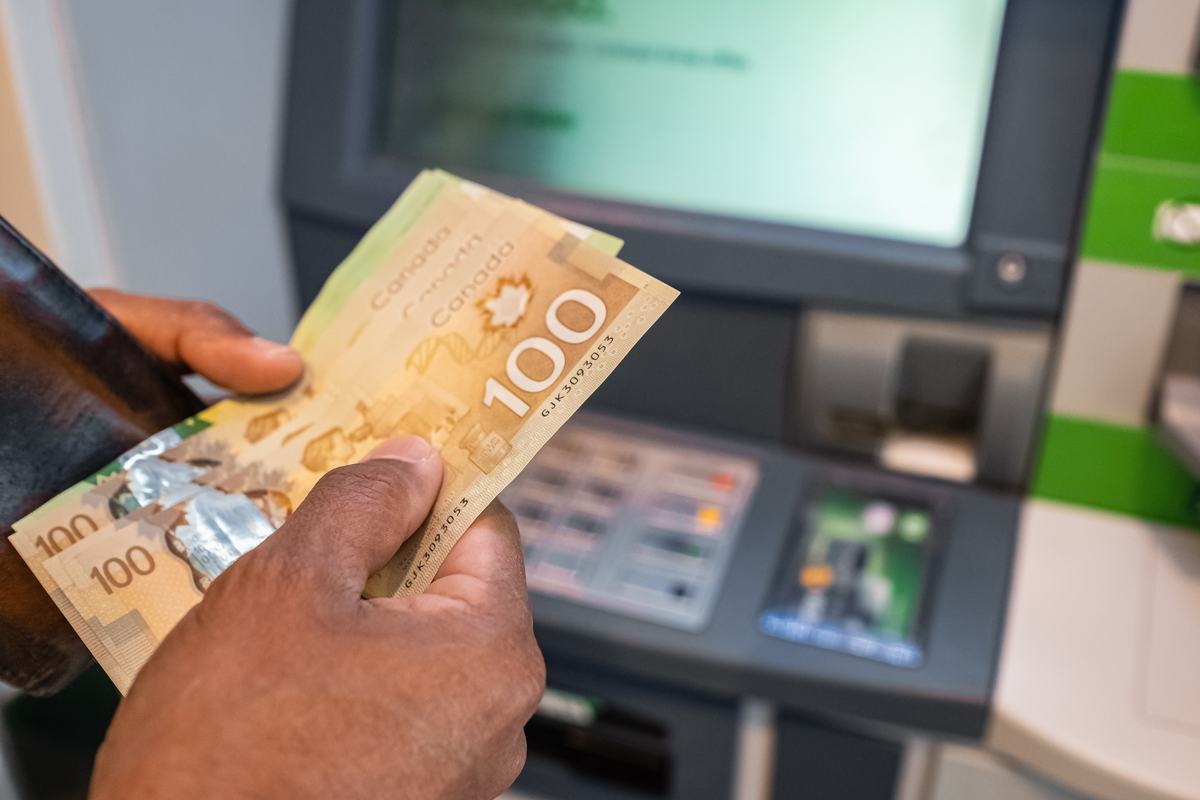
In 2023 in Canada digital payments accounted for 87% of total payment volume. Their uptake is only likely to rise as new ways of payment are invented. On top of open banking, faster payments, variable recurring payments, digital tokens, blockchain-based infrastructure etc. we can already see use cases build around programmability, possibly machine-to-machine payments driven by Artificial Intelligence (AI) and more.
A new Bank of Canada (BOC) paper on the costs of electronic retail payment networks has looked at how you balance out the benefits of multiple systems in one payments ecosystem and the fragmentation of volume and the replication of large fixed costs, which will raise the average cost of transactions 1.
The paper seeks to understand the transaction volumes required for each system to reach the economies of scale where the average cost is minimised. To answer this, the paper made an estimate for the cost curve of the average electronic funds transfer (EFT) system and how the average cost declines with volume. This is needed for cost-benefit analyses, fee setting, benchmarking and justifying investment in new payment systems such as Canada’s Real Time Rail (RTR).
Subscriber content
Read the full article
Full access to Cash & Payment News articles, newsletters and archives.