
Latest ATM Report Shows High Levels of Innovation

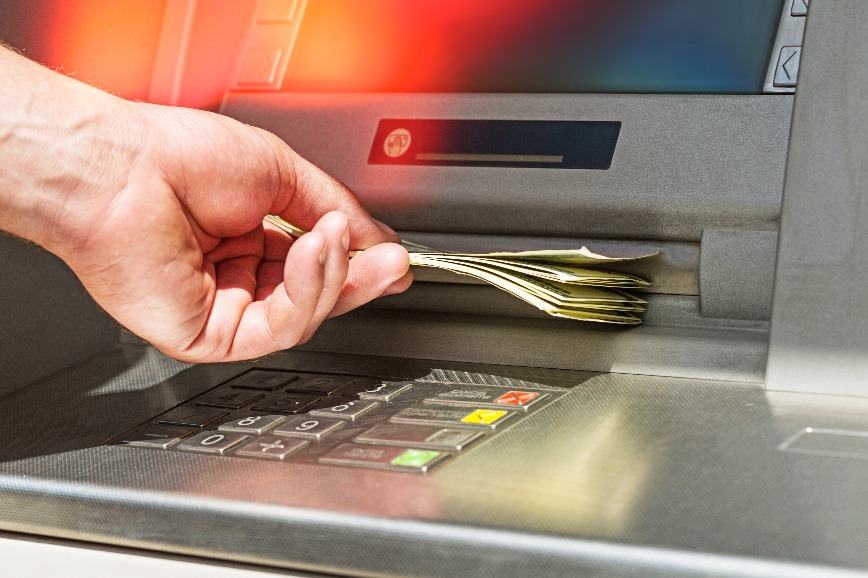
RBR’s most recent study, ‘ATM Software 2021’, looks at the latest ATM developments across the world.
This starts with NFC/contactless/ biometric customer ID. At the same time, personalising the customer experience is growing, for example giving customers a ‘quick cash’ option to dispense a predefined sum of money. The behind the stage work of running the ATM network is also changing, increasing monitoring from terminal uptime and status to monitoring cash usage, consumable levels and predictive analytics to allow preventative action.
The trend to use different hardware and software continues to grow. Partly this is to cut costs but also to access the latest functionality possible. When ATM networks are large, particularly cross border, this can help achieve flexibility. Banks and ATM providers are looking at how ‘open banking’, which allows customers to share their banking information with accredited third parties, can add value in ATM networks, although no clear conclusions are reached.
The RBR report shows a wide range of areas where change is happening and an ATM industry responding to those opportunities.
Managing networks
A second RBR report, ‘Global ATM Market and Forecasts to 2025’, looks at the growing trend for a single ATM operator to manage networks on behalf of a number of banks, for example as in Belgium, or even the entire country, as in Finland, Sweden and the Netherlands. In Portugal (SIBS) and Switzerland (ATM Futura) machine sharing has started based on multi-bank networks. Although different, both models allows the banks to save costs.
This is not just a European trend – Australia, Indonesia and Japan are also moving towards this approach. TecBan runs Brazil’s shared non-branch ATM network and has recently taken over most of the country’s off-site ATM estate, within which a lot of the coverage overlapped. The banks still run their own in-branch ATMs and a small number of remote terminals.
Speech recognition moves forward
Mark Aldred, from Auriga, published in ATM Marketplace his thoughts on the future of ATMs. The article was a review of how ATMs can go contactless, creating what he called ‘a consistent mobile and physical channel’.
There are now a wide range of ways to interact with the ATM without contact – NFC or QR readers on the machines, QR codes on their screens or biometric authentication using voice, palm, fingerprint or facial recognition. For the public, using an app can be faster than a card, providing more security, particularly against card skimming and PIN theft, and means a card does not have to be carried.
The article discussed how artificial intelligence combined with natural language machine learning is making speech recognition a viable option. Bankia, in Spain, has now enabled remote contracting of financial services and products through the identification and registration of clients by video. Official documents can be scanned and verified as part of this. This capability could offer a very different way to transact and receive financial services in the future.
This month Nedbank in South Africa has announced that selected ATMs will work with QR codes and its Nedbank Money App. The app was launched in September 2019 and in September 2020 a ‘lighter’ version was introduced, offering new features such as a fingerprint and face biometric sign on and a chat function.
The Bank of Kigali in Rwanda has installed 15 Diebold Nixdorf ATMs with finger print recognition, card tap and go capability and allow bulk cash deposits. Another 30 are on order.
Otto ATMs in Finland to issue €10 for the first time
Automatia, in Finland, now owned by Loomis, operates Otto-branded ATM machines.
The Bank of Finland, before the pandemic, had said that fewer than 10% of Finns use cash weekly. The result is that there is enough capacity in the ATMs to load them with three denominations, adding the €10 rather than just issuing the €20 and €50 notes. Even at busy times and over weekends, the machines will not run out of notes. The machines will also now have a one-time cash withdrawal limit of €400.
Subscriber content
Read the full article
Full access to Cash & Payment News articles, newsletters and archives.