
ATMIA Urges Rethinking of Domestic ATM Interchange Fee Model Amid Rising Operational Costs

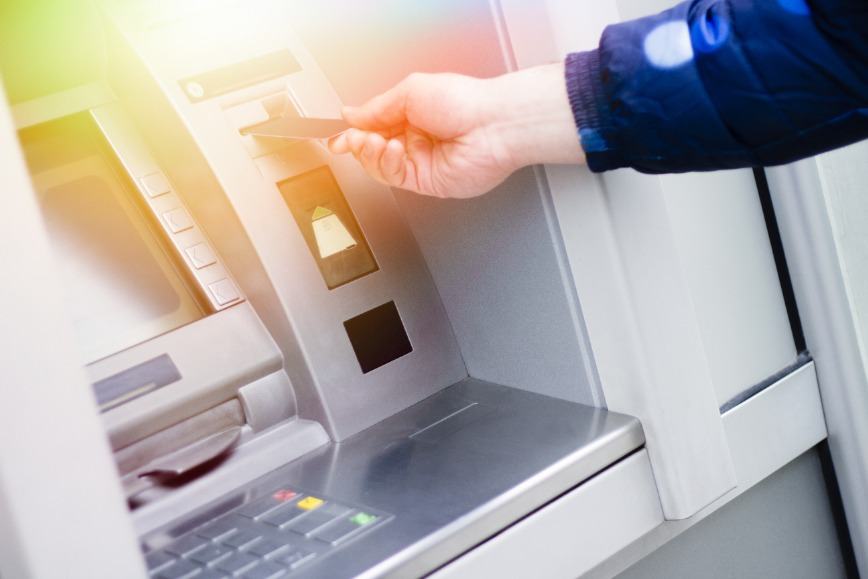
Domestic ATM cash withdrawals are subject to interchange fees, which are designed to compensate ATM deployers for operational costs. These fees have remained largely unchanged for years, in spite of rising operational costs. This divergence poses a threat to the sustainability of ATM networks.
As ATMs continue to serve as the primary access point for cash, the sustainability of the current business model supporting ATM networks is coming under increasing scrutiny. At the recent ATMIA Europe and Emerging Markets 2024 Advocating for Cash, ATM Security, and Payment Choice Conference in London, industry leaders gathered to discuss the critical need for reform in the domestic ATM interchange fee structure.
A panel of key industry representatives highlighted the misalignment between stagnant interchange fees and rising transaction costs. These fees, primarily set by International Card Organizations, have not been adjusted to reflect inflationary pressures and other changes impacting the ATM industry, making it increasingly difficult to maintain viable ATM networks.
Subscriber content
Read the full article
Full access to Cash & Payment News articles, newsletters and archives.