
Cost of Payments Stubbornly High

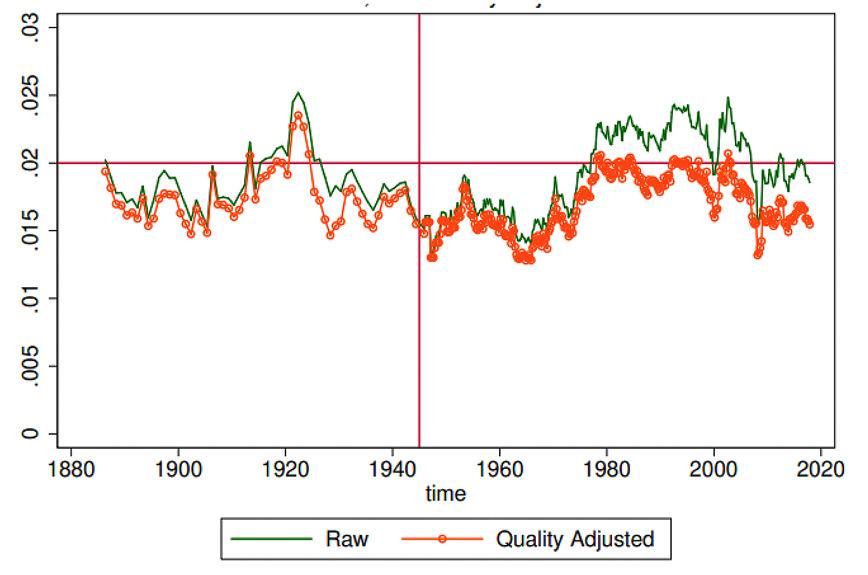
Andy Haldane, Chief Economist at the Bank of England, made a speech about the move to digital payments. Despite all the innovation of credit cards, ATMs, faster payments, open banking etc., he quoted Thomas Philippon, Professor of Finance at the New York University Stern School of Business, who estimates that the unit cost of financial services has hardly changed over the last century.
The UK’s Payments System Regulator has estimated the weighted average Merchant Service Charge (MSC) across UK card transaction is around 0.6%. As roughly 40% of merchant acquirer revenue comes from other fees, the all-in cost of cards is higher still. These costs are not evenly distributed. For small and medium enterprises (SMEs) with the lowest-turnover, the average MSC is three times larger, at around 1.9%. Card fees operate like a regressive tax on smaller businesses and their customers. More generally, these card transaction fees seem high for what is, by banking standards, not an especially complex task.
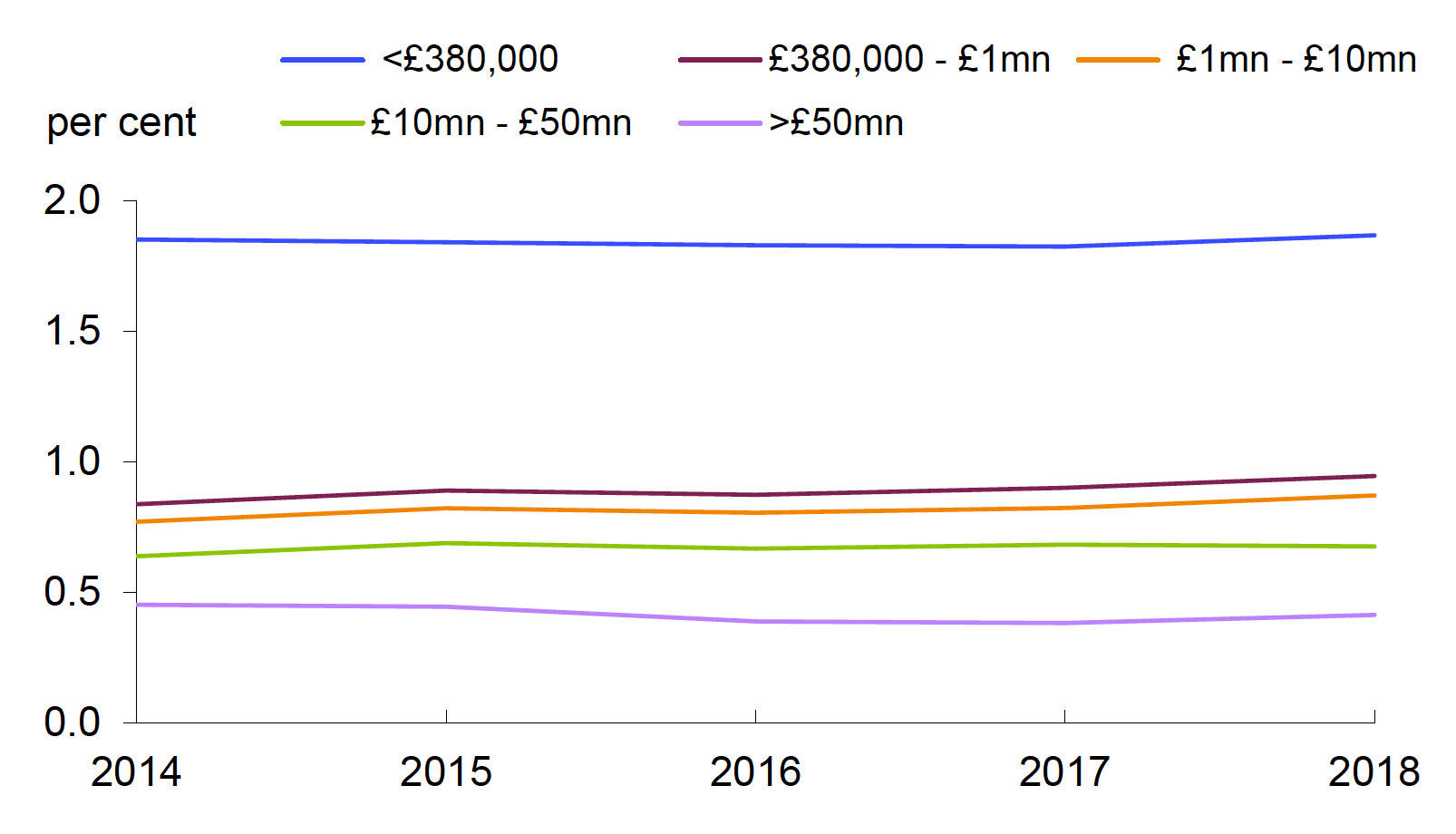 Prices paid for card-acquiring services by merchants of different sizes. Source: PSR (2020).
Note: Based on data provided by the five largest merchant acquirers. The average MSC is calculated by dividing the total value of fees paid for card-acquiring services by the total value of purchase transactions. Merchant size categories are based on annual card turnover.
Given that cash is said to be expensive and regressive, these card cost figures are worth bearing in mind.
Subscriber content
Read the full article
Full access to Cash & Payment News articles, newsletters and archives.