
A Better Way to Measure Cash

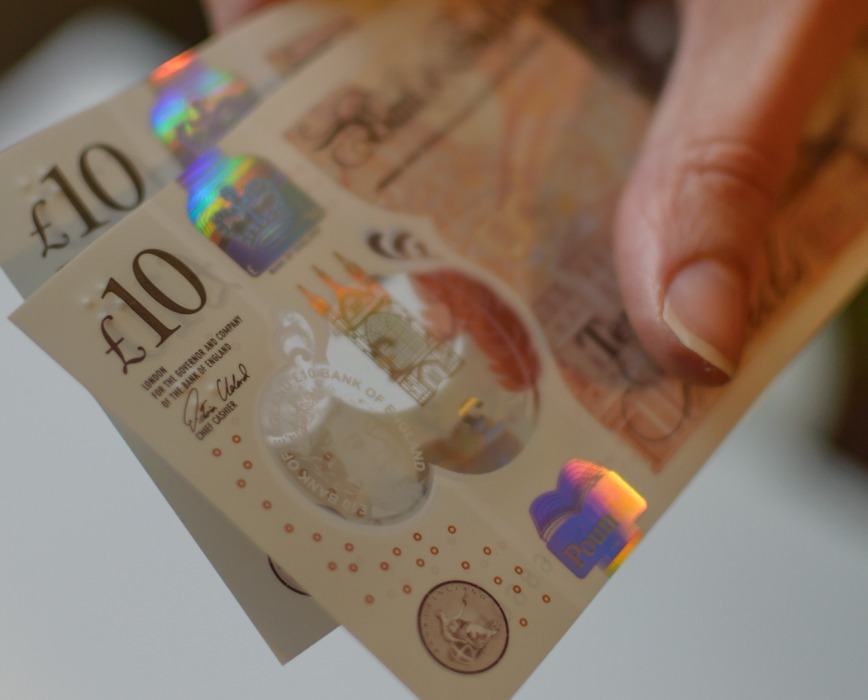
Enryo, the payment consultancy, addressed the ‘cash paradox’ in a recent piece in Finextra.
The article explained the constituent parts of cash in circulation and how the supply chain, bureaux de change, lost cash and cash stored as value are all part of cash in circulation as well as that used for transactions. It touched on cash used in the shadow economy that also plays a part in cash usage, although the extent is unclear and disputed.
Given cash in circulation has doubled in the UK since 2008, while at the same time the total number of ATMs has fallen 13%, bank and building society branches 28% and the number of cash transactions has fallen, what is going on?
This is a question asked by the House of Commons Public Accounts Committee and the Bank of England’s reply was hoarding cash and sole traders being unable to bank their cash.
Enryo suggests that we are using the wrong unit of measure. That a more useful number would be one that represents the value of banknotes that could potentially be used as a transactional method of payment. It suggests that the flow of banknotes in and out of circulation offers a better representation of cash usage, ie. look at the net difference between banknotes destroyed because they are unfit compared with new notes issued.
Putting the £50 to one side since it is not a transactional note, Enryo reports that the UK has been destroying more notes than it has been printing since 2013/14. In value terms, although it has issued more £10 and £50 notes than it has destroyed, the reverse is true for the £5 and £20 notes. The net growth in transactional cash has been £0.2 billion on this basis.
The central point in this conversation is that, by focusing on notes used for transactions, the decline in cash is highlighted, allowing the authorities and society to concentrate on the challenge of providing a cost effective cash infrastructure.
Subscriber content
Read the full article
Full access to Cash & Payment News articles, newsletters and archives.