
Change Needed For India’s ATMs

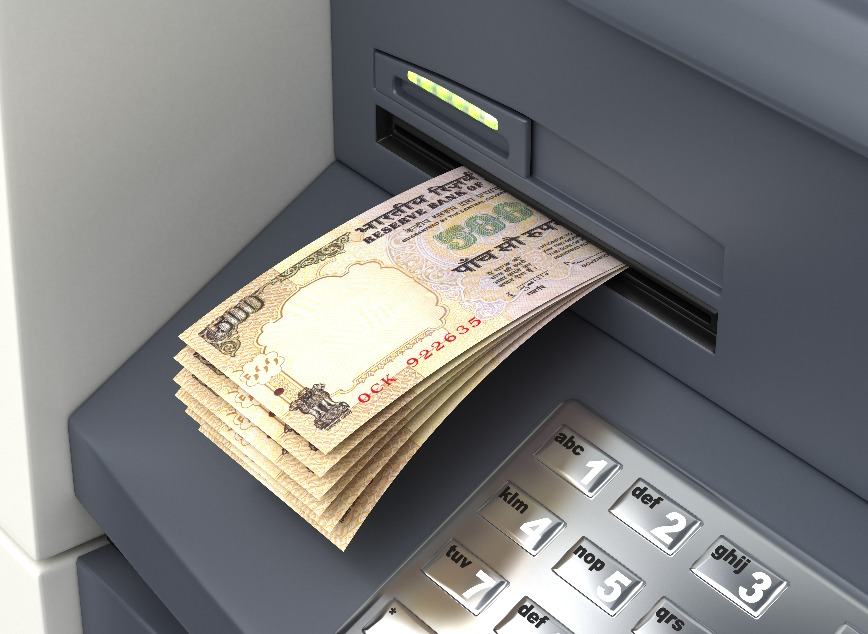
Relative to its population, India has few ATMs – 22 per 100,000 people, according to the World Bank, compared with 81 in China. It also has one of the lowest ratios of ATM cash withdrawals relative to cash in circulation, according to a June 2019 RBI report, 'Benchmarking India's Payment Systems'.
Growth in the number of ATMs has been strong in recent years, but by September 2020 stalled at 234,244. It appears that economic recession, the COVID-19 pandemic and urban digitisation lie behind this.
Early on in the pandemic there was a largescale movement of people returning to their villages when employment opportunities were curtailed in the cities. As a result, cash organisations have struggled to get staff to replenish their ATMs. In addition, the government has sought to make welfare payments directly to bank accounts.
In December 2019, an RBI committee recommended an increase in the ATM interchange fee, particularly in rural locations, based on a detailed analysis of the cost structure of rural and urban ATMs.
The committee also said, ‘there is a huge requirement for ATM deployment in India to make it accessible to masses and make it even more available in semi-urban and rural centres where it is highly underserved’.
With 650,000 villages in India, and only one ATM for ten villages, access to cash is a significant issue and the 2020 slowdown in ATM growth is unhelpful.
The RBI has not yet acted on the fee recommendation. India has 24,195 independently operated ATMs, which are less profitable than bank ATMs because they have fewer transactions per day per machine. The delay means some independent ATM operators have delayed their investment plans.
Subscriber content
Read the full article
Full access to Cash & Payment News articles, newsletters and archives.