
· 3 min read
Consumer Complexity and Digital Payments

John Winchcombe
· Editor
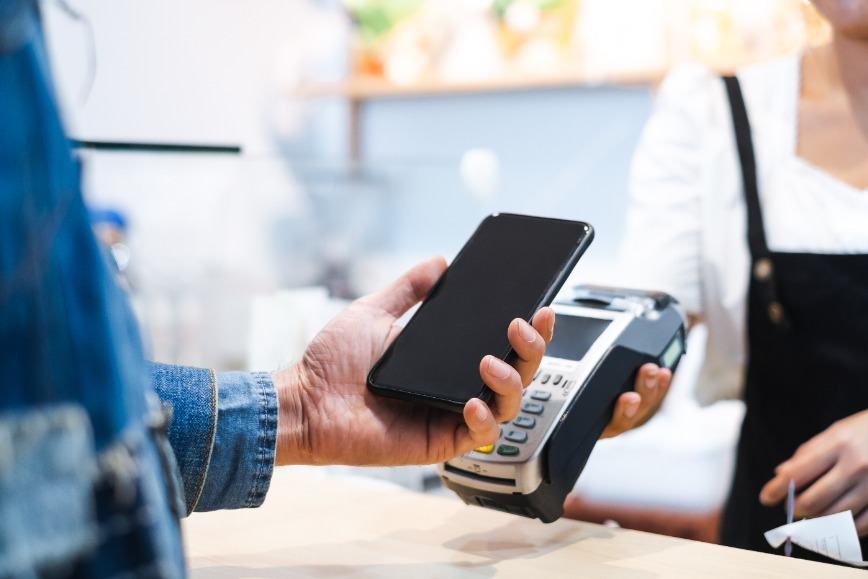
The authors of a new European Central Bank (ECB) working paper have used data from the ECB’s Consumer Expectations Surveys (CES) to study cashless payments in everyday situations and the use of mobile banking apps in the euro area 1.
In particular, the study looked at the use of app based tools for day to day offline purchases involving small sums of money and at the use of digital tools for managing personal finances. This research gave insights about financial inclusion concerning everyday choices.
Key findings that stood out included:
- The use of cash is partly due to limited perceived acceptance of non-cash payments by merchants, even after controlling for demographic and socioeconomic characteristics. If businesses increased awareness of the availability of non-cash payment options, reliance on cash could be reduced.
- Most people prefer to use only one digital payment option. The paper does not make this point, but that has implications for a Digital Euro.
- Across borders within the euro area, behaviour is similar. Demographics are a significant indicator of payment preferences with younger people being comfortable to pay digitally.
- The use of smart payment methods is limited even while mobile banking is popular.
Subscriber content
Read the full article
Full access to Cash & Payment News articles, newsletters and archives.