
Financial Inclusion or Payment Inclusion?

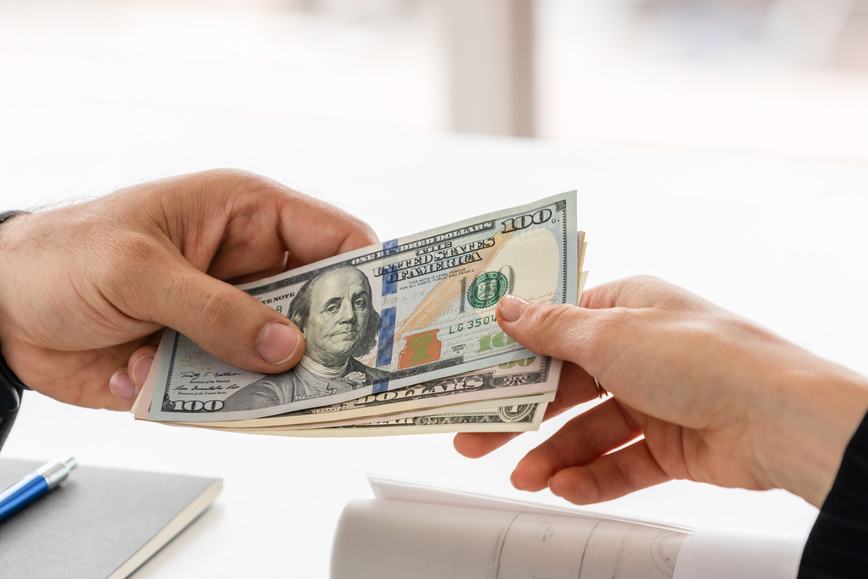
Dr Franklin Noll, a payments specialist who works as a Lead at the Federal Reserve Bank of Kansas City, has posted in LinkedIn an interesting piece on financial / payment inclusion. He has expressed his own opinions, not those of the Federal Reserve Bank.
‘I think we need to shift the conversation on financial inclusion. Actually, the conversation going on is about payment inclusion.
The World Bank defines financial inclusion in this way: ’Financial inclusion means that individuals and businesses have access to useful and affordable financial products and services that meet their needs… delivered in a responsible and sustainable way.’
This could include loans, insurance, etc. But, most research and talk about financial inclusion is really about payments, not the other financial services.
I would define payment inclusion this way: Payment inclusion refers to a consumer’s ability to make and receive payments in a manner that best fits their needs regardless of their circumstances, be they financial, educational, social, or cultural.
And, when, you hear people talking about payment inclusion, they are really talking about how to get cash-based consumers (usually unbanked) onto a digital payments platform, replacing cash transactions with digital ones. I think this approach is a misreading of the situation.
Payment inclusion is about choice, not necessarily the widespread adoption of digital payments.
Anyone can experience payment exclusion, be it a cash-based consumer trying to use a card-only bus system or a digitally based consumer trying to buy food at a cash-only food cart. What both consumers need is the ability to operate in their payment system of preference but to have the ability to enter the other payment system (be it digital or cash) as needed and on their own terms.
But, practically, it’s harder for a cash-based consumer to enter the digital world than for a digitally-based consumer to enter the cash world.
So, what we need to discover and develop are on and off ramps between cash and digital, which allow cash-based consumers to remain in a payment system that, among other things, stresses personal interactions, the physicality of money, and the immediacy of transactions, but also allows them to make digital payments when they need to.
Just telling people to get bank accounts is a bit misguided and condescending, in my opinion.’
Subscriber content
Read the full article
Full access to Cash & Payment News articles, newsletters and archives.