
· 2 min read
An ABC (and D) of Mobile Banking

John Winchcombe
· Editor
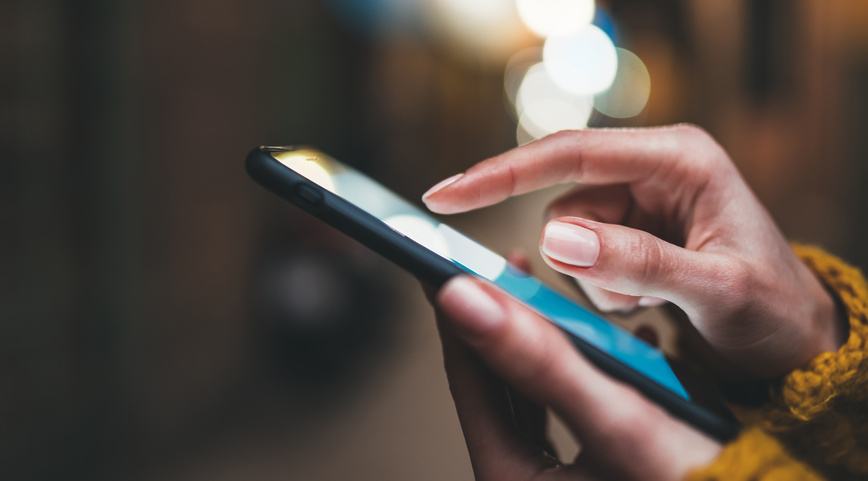
Mobile banking allows people to manage financial services via their smartphones. No wonder it is the fastest growing banking channel, with big implications for traditional options such as bank branches.
Mobile banking started in the 1990s with a limited range of services based on SMS messages to phones about bank balances. The first Wireless Application Protocol allowed Norway to introduce mobile banking services in 1999. The first mobile banking app reached the UK in 2011 via RBS on iOS (Apple).
In a transaction there are usually four parties:
- A.The customer, who wants to pay money to another person or business.
- B.The person or business who is to receive the money for whatever reason
- C.The bank or mobile money provider who holds the cash of the customer (A)
- D.The receiving bank who will eventually pay the person or business who is to receive the money into their wallet (B) The customer tells the app who is to get the money using a name or phone number. The app tells the receiving bank (D) that they can withdraw the money from the bank or mobile money provider who is holding the cash (C).
Subscriber content
Read the full article
Full access to Cash & Payment News articles, newsletters and archives.