
UK to Protect Access to Cash in Law

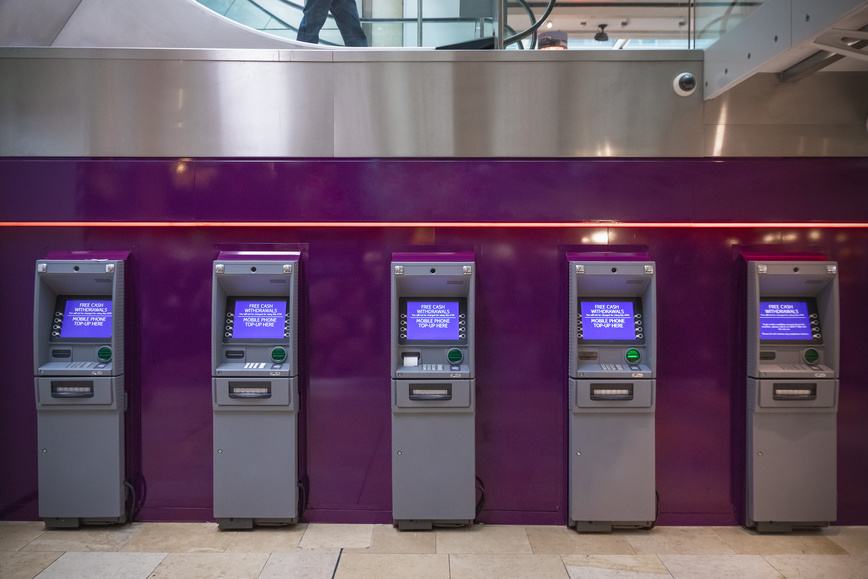
The announcement by the UK government that it will legislate in the Financial Services and Markets bill to protect cash by ensuring continued access to withdrawal and deposit facilities across the UK has led to a series of pieces in the UK’s media about cash.
The Financial Conduct Authority (FCA) will, it is believed, determine what counts as a ‘reasonable distance from their community’ and fine financial institutions that fail to provide access.
The rules do not say how access must be delivered and there is likely to be more use of post offices, mobile banking hubs, shared branches and free-to-use ATMs in response.
Less cash
A piece in the Global Banking and Finance Review listed recent pressures on cash – fewer banks, and ATMs, shops lowering their minimum limit for allowing card payments, the increase in the contactless limit to £100 and shops and businesses of all sizes investing in digital infrastructure and capability.
The proposed legislation will put pressure on financial institutions and companies to keep cash in circulation, but the article highlights one of the challenges when it points out that Transport for London stopped accepting cash and saved £24 million in operating costs without, apparently, affecting customer numbers. Bigger businesses quite like cashless.
While the Nordic countries are held up as examples of successful ‘less-cash’ societies, people ignore the differences with the UK. For example, 98% of Norwegians have a debit card, over 98% have a bank account and income equality levels are higher, implying higher levels of financial literacy. That is not the case in the UK and so perhaps Norway has found it easier to go less cash. Despite that, 3-4% of their population are estimated to use cash regularly.
Fewer ATMs
Research by the website money.co.uk considers what is happening to ATMs as cash declines across Europe. The reduction in ATMs since 2010 is startling – while the UK is down 14%, Lithuania is down 43%, Norway 34%, Spain 29% and Ireland 27%. Portugal and Russia have the most ATMs per 100,000 people with over 100. The UK has 81.4.
It suggests that ATMs will become the new touch point and brand carrier for banks as they reduce the number of high street branches. In this role ATMs will become multi-functional beyond just providing and accepting cash, and consumers will be able to interact with them through their smartphones as well as directly.
Fewer bank branches
Lloyds Banking Group, one of the UK’s largest four banks, announced 44 branch closures in June 2021, 48 in October 2021, 60 in March 2022 and it has just announced a further 28 closures.
Across the UK’s financial services sector over 5,000 bank and building society branches have closed since 2015.
Consumer protection against APP fraud included
The new legislation in the UK will allow the regulator to require banks to reimburse victims of authorised push payment (APP) fraud. APP fraud is when somebody is tricked by a criminal to send money from their account to an account controlled by the criminal. In the first half of 2021, UK APP fraud was £355 million, up 71% compared with the same period in 2020. These losses are now the single biggest cause of fraud, bigger than card fraud.
At the moment banks are required to use reasonable care and skill in executing customer orders. If there are reasonable grounds to suspect that the customer’s instruction is part of an attempt to misappropriate funds, the bank must refrain from acting. This is known as the Quincecare duty.
Given that the criminals are skilled, it is little surprise people are fooled. Nine of the largest financial institutions follow the Lending Standards Board voluntary practices, including requiring customers to verify the identity of the recipients by providing their name and additional bank information. Banks have to explain their reimbursement decisions to the victims.
Details of the new bill have not yet been released. The implications of it are that the consumer is no longer liable, or the ‘bar’ is lower, reducing the incentive to take care, and that the banks are faced with a hugely onerous, time consuming and, ultimately, very expensive duty of care. Cash related crime seems almost trivial in comparison.
Subscriber content
Read the full article
Full access to Cash & Payment News articles, newsletters and archives.